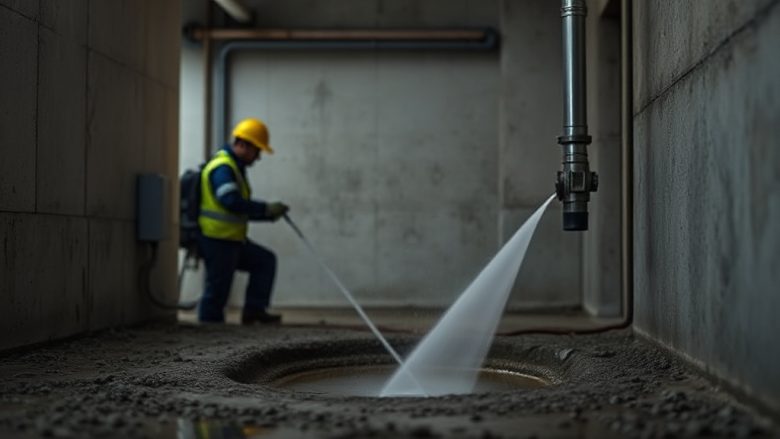
How to Handle a Blocked Drain in Iguape SP: A Field Checklist
It is 7:40 on a Saturday morning, the kitchen sink is backing up, and the shower drain is gurgling. In a coastal town like Iguape, where older houses mix with newer builds and the water table sits high after heavy rain, that combination usually means one thing: the private line is already partially blocked. If you are searching for a desentupidora Iguape SP because the plunger stopped working, this checklist is for you. Work through the problems below in order, fix what you can, and call a technician when the symptoms point to the main line.
Problem 1: The sink drains slowly but never fully stops
A slow drain is the earliest warning you get, and it is the cheapest one to fix. Grease, soap scum and food fibers coat the inside of the pipe and narrow the passage a little more each week.
What to do
- Boil a full kettle of water and pour it in two stages, waiting a minute between them.
- Follow with a mix of half a cup of baking soda and half a cup of white vinegar. Let it sit for fifteen minutes, then flush with hot water.
- Remove the P-trap under the sink if you can reach it. Most blockages in kitchens sit right there, in the curved section.
Never pour chemical drain cleaner into a pipe that is already holding standing water. It sits on top of the blockage, can damage older PVC, and makes the technician’s job harder when they arrive.
Problem 2: The toilet gurgles when you use another fixture
Gurgling in the toilet while the shower or washing machine runs is not a toilet problem. It is a venting or main-line problem, and it is the clearest sign that you should stop DIY attempts.
What to do
- Check whether the gurgling happens only when one specific fixture runs. That narrows the branch line involved.
- Look for water pooling around floor drains in the laundry area or outside the back door.
- Call a desentupidora Iguape before the next heavy rain, because a partially blocked main line plus stormwater is how yards flood.
If you hear the gurgle in more than one bathroom, treat it as an emergency rather than a weekend project.
Problem 3: Water comes back up through the floor drain
This is the point where the problem has moved from your fixtures to the building’s main sewer line. In Iguape, properties near the river and in older central streets often share aged clay or concrete lines that root systems find easy to enter.
What to do
- Stop using water in the whole house. Every flush adds volume that has nowhere to go.
- Clear the area around the floor drain and photograph the backup for your records.
- Call for emergency service and describe exactly which drain is backing up and whether the water is clear or dark.
Dark, foul-smelling backup water is sewage, not greywater. Keep children and pets away, wear gloves if you must move anything, and do not try to open the drain cover with household tools.
Problem 4: You cannot tell whether it is your pipe or the street line
Knowing where the blockage sits changes who is responsible and how much the job costs. A technician can confirm this with a camera inspection in a few minutes.
| Symptom | Likely location | Who handles it |
|---|---|---|
| One fixture only | Branch line or trap | You or a local plumber |
| Several fixtures in one bathroom | Bathroom branch | Plumber with auger |
| Whole house plus floor drains | Main private line | Desentupidora with hydrojetting |
| Neighbors affected too | Street collector | Utility company |
If the neighbor’s drains are fine and only yours are backing up, the blockage is almost certainly on your side of the connection. That is the moment to book a desentupidora em Iguape SP rather than keep plunging.
Problem 5: The septic tank has not been emptied in years
Properties outside the central sewer network in Iguape still rely on septic tanks. When the tank fills with sludge, the drain field stops absorbing and waste backs up into the lowest fixtures in the house.
What to do
- Locate the inspection lid before you call, so the technician does not spend an hour hunting for it.
- Note the last time the tank was pumped. Most households need it every three to five years, sooner with heavy water use.
- Do not add chemical additives to mask the smell. They do not remove sludge.
Regular pumping is cheaper than replacing a saturated drain field, and it is the single most useful preventive step for rural and peri-urban lots.
Problem 6: Roots have entered the line
Tree roots seek moisture and find it at pipe joints. In older Iguape neighborhoods, this is one of the most common causes of repeat blockages that keep coming back in the same spot.
What to do
- If the same drain blocks twice within a few months, ask for a camera inspection instead of another simple rodding.
- Request hydrojetting, which scours the pipe wall and removes the root mass rather than punching a hole through it.
- Ask the technician to note the depth and location of the intrusion so you can plan a repair.
A drain that blocks in the same place twice is a structural problem, not a maintenance problem. Treating it as routine cleaning only postpones the repair.
Problem 7: You need help at night or on a holiday
Blockages do not wait for business hours. A backed-up drain at 11 pm with guests in the house is a different job from a slow sink on a Tuesday morning, and you need a provider who answers the phone.
What to do
- Save the emergency number before you need it, not during the flood.
- Confirm the price of the call-out and the expected arrival window on the phone.
- Ask whether the technician carries a camera and hydrojetting equipment, or whether a second visit will be needed.
- Keep the area clear, turn off the water supply if you can, and move valuables away from the affected floor.
A 24-hour service is not just about speed. It is about having the right equipment on the first visit so the problem is solved once.
Problem 8: You want to stop the next blockage before it starts
Most emergency calls are preventable. The habits below cost nothing and cut the number of blockages a household faces each year.
- Use a drain strainer in the kitchen and in every shower.
- Never pour cooking oil down the sink. Let it cool, put it in a container, and bin it.
- Flush only toilet paper. Wipes labeled flushable still clump in older pipes.
- Have the main line inspected once a year if your property has mature trees.
- Schedule septic pumping on a calendar reminder instead of waiting for a smell.
If you have worked through this checklist and the problem is still there, the fastest route is a professional diagnosis. A camera inspection tells you exactly what you are dealing with, and it prevents the expensive mistake of repeated temporary fixes.
Frequently Asked Questions
How quickly can a desentupidora reach Iguape SP?
Response times depend on the time of day and the specific neighborhood, so confirm the arrival window when you call. Emergency services are designed to attend at night and on weekends, which is when most serious backups happen.
Can I use chemical drain cleaner before calling a professional?
Avoid it if the drain is already holding water. Chemicals can damage pipes and create a hazard for the technician. Mechanical methods such as a plunger, a drain snake, or hot water are safer first steps.
How do I know if the blockage is my responsibility or the utility’s?
If only your property is affected, the blockage is on your private line. If neighbors are also backing up, the problem is likely in the street collector and should be reported to the local utility.
Is hydrojetting safe for older pipes?
When performed by a trained technician who adjusts pressure to the pipe material, hydrojetting is safe and effective. Ask for a camera inspection first if your pipes are old or you suspect cracks.
How often should a septic tank be pumped?
Most households need pumping every three to five years. Larger families or homes with heavy water use may need it more often. Regular pumping prevents drain field failure and costly repairs.